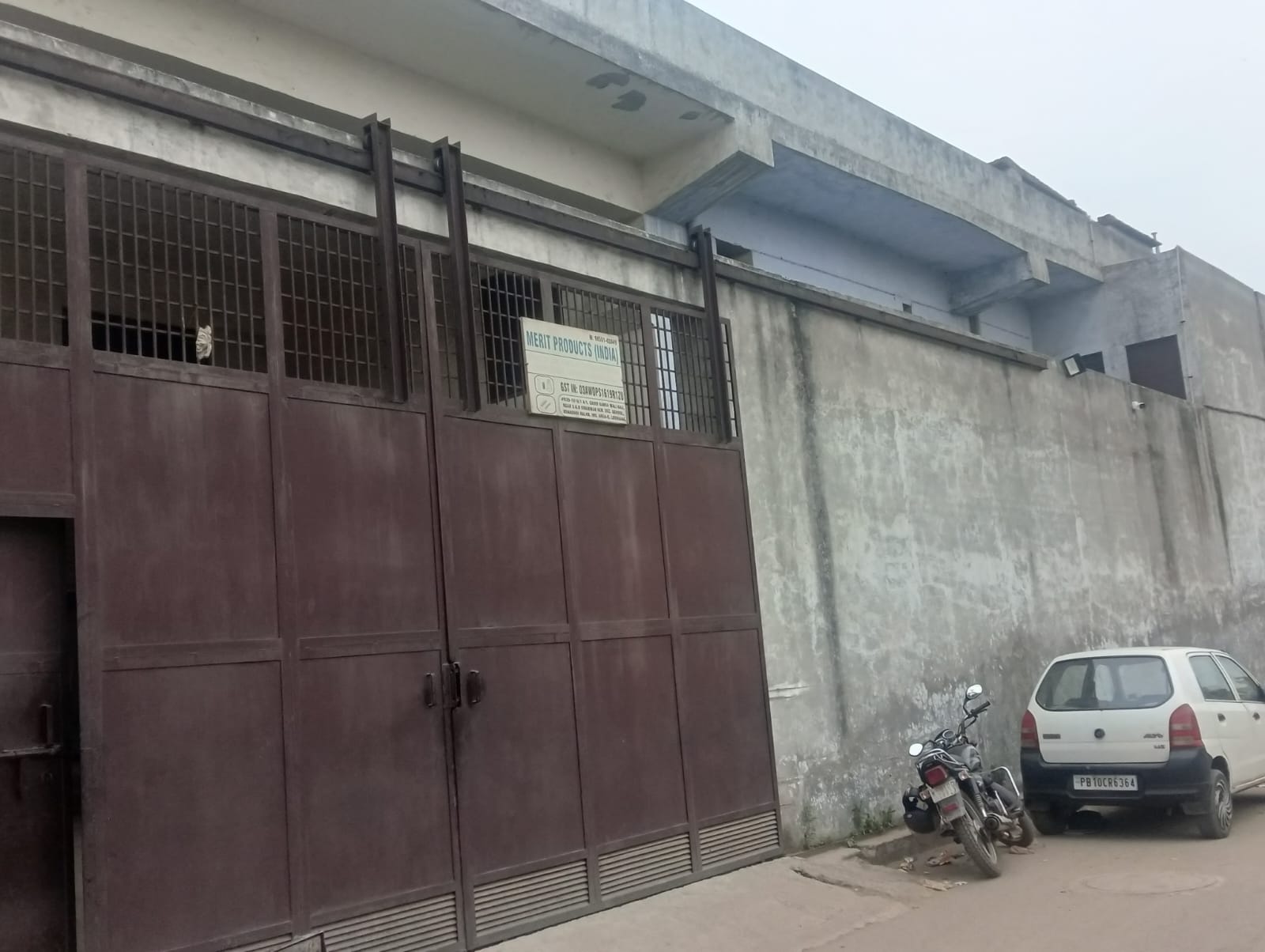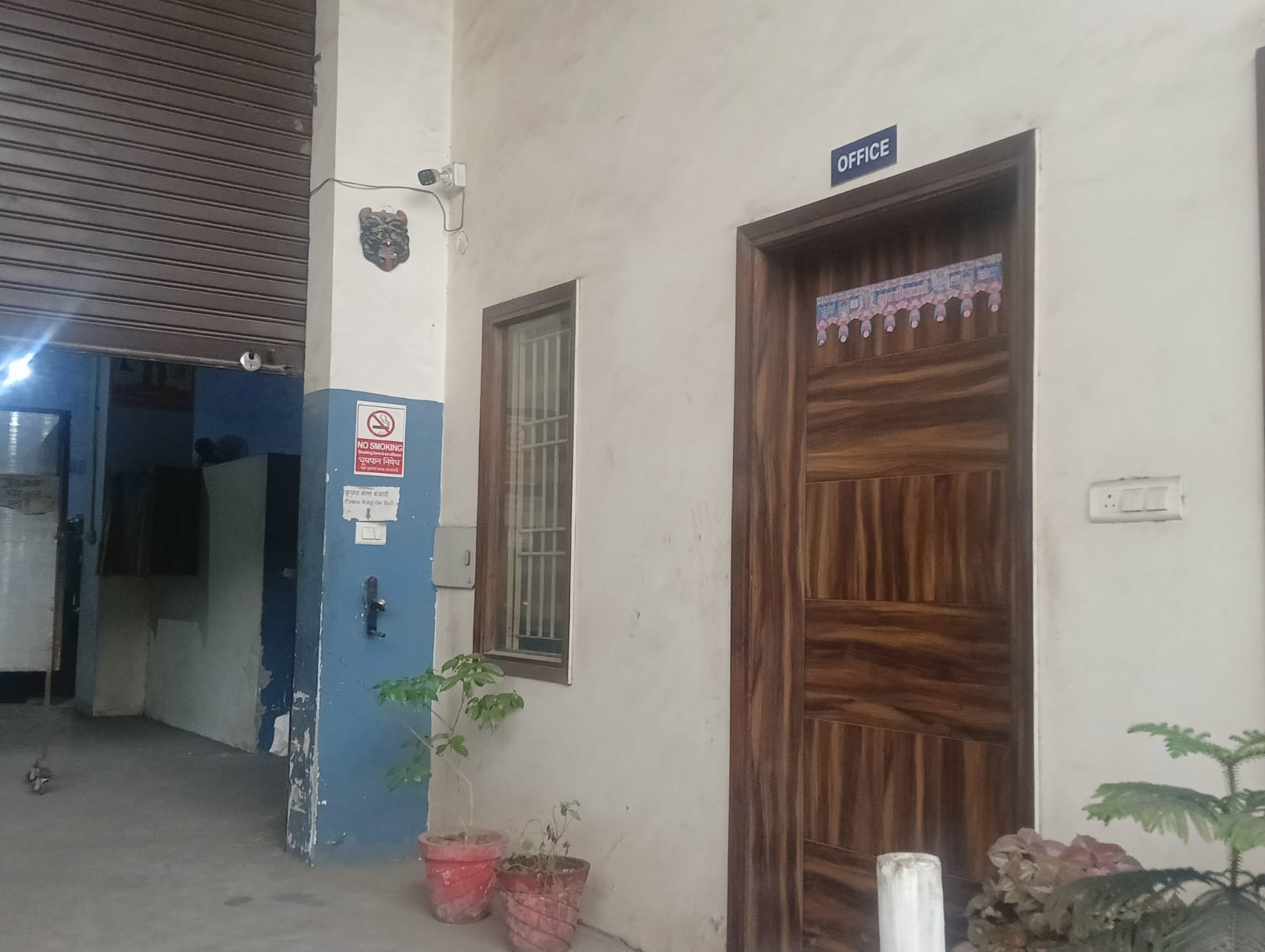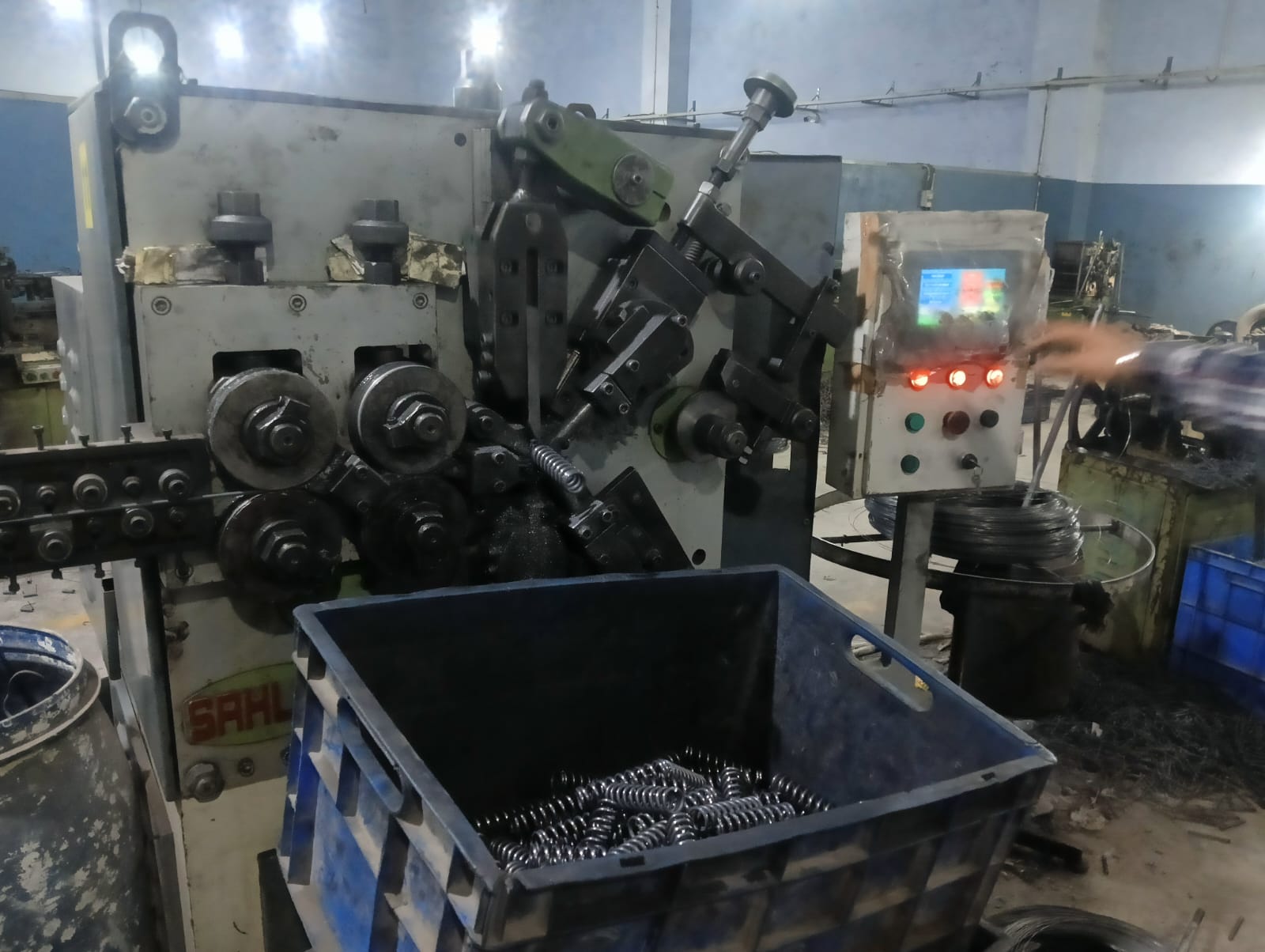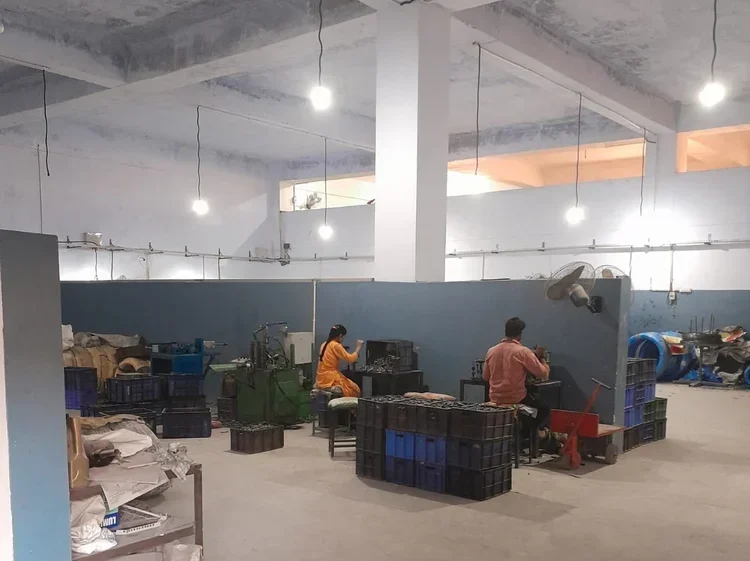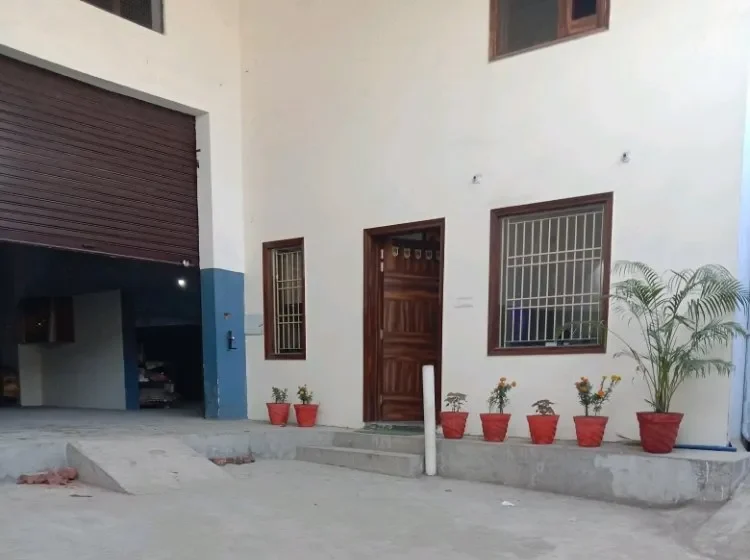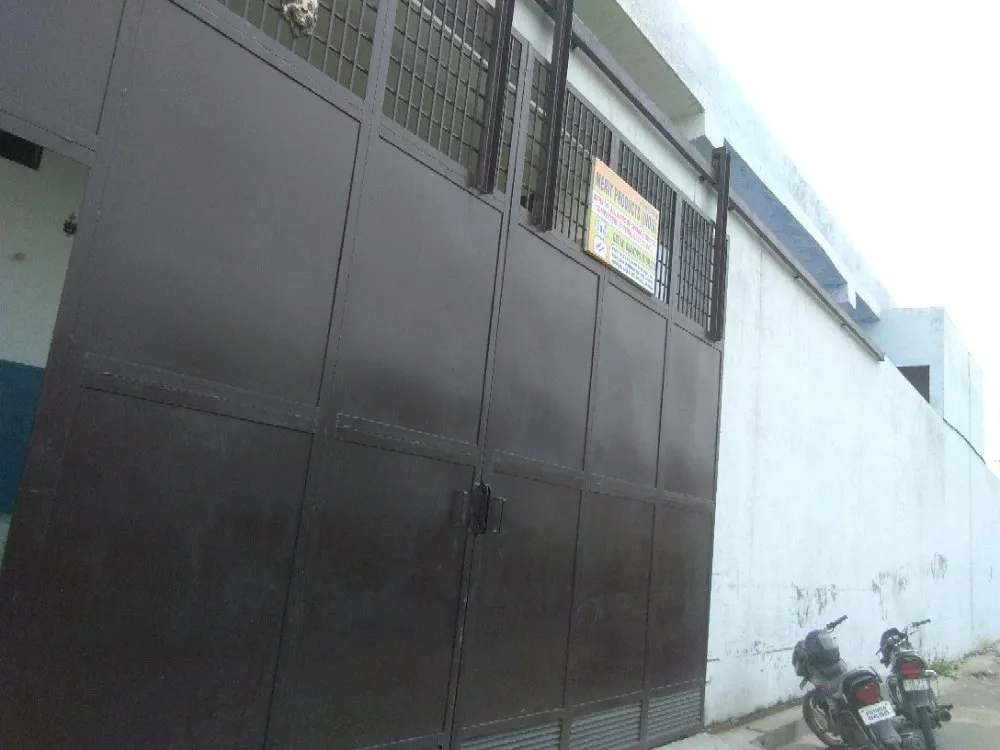

We Have a mix of specialized machinery, materials infrastructure, and quality systems to produce different types of springs (compression, tension, torsion, leaf, etc. Here’s a clear breakdown of the typical infrastructure involved:
🏭 1. Manufacturing Facility Setup
- Production floor with zoning for coiling, heat treatment, finishing, and inspection
- Material storage area (controlled for humidity and corrosion prevention)
- Tool room for die making and maintenance
- Dispatch & packaging section
⚙️ 2. Machinery & Equipment
Coiling & Forming
- CNC spring coiling machines
- Wire forming machines
- Automatic spring forming systems
Heat Treatment
- Annealing furnaces
- Tempering ovens
- Continuous belt furnaces (for high-volume production)
Finishing Equipment
- Shot peening machines (improves fatigue life)
- Grinding machines (for flat ends)
- Electroplating / coating units (zinc, powder coating, etc.)
🔬 3. Quality Control & Testing Lab
- Spring testing machines (load, deflection, fatigue)
- Hardness testers
- Metallurgical microscopes
- Surface roughness testers
🧰 4. Raw Material Infrastructure
- High-grade steel wire (music wire, stainless steel, alloy steel)
- Supplier network for consistent quality
- Wire drawing or pre-processing (sometimes in-house)
⚡ 5. Utilities & Support Systems
- Reliable power supply (often with backup generators)
- Compressed air systems
- Cooling systems for machinery
- Waste management and pollution control systems
📦 6. Logistics & Supply Chain
- Inventory management system
- Warehousing
- Transportation tie-ups for delivery
💻 7. Design & Engineering Setup
- CAD/CAM software for spring design
- Simulation tools for stress and fatigue analysis
- R&D for custom spring solutions
📜 8. Certifications & Compliance
- ISO 9001 (quality management)
- ISO/TS 16949 (automotive sector)
- Environmental and safety standards